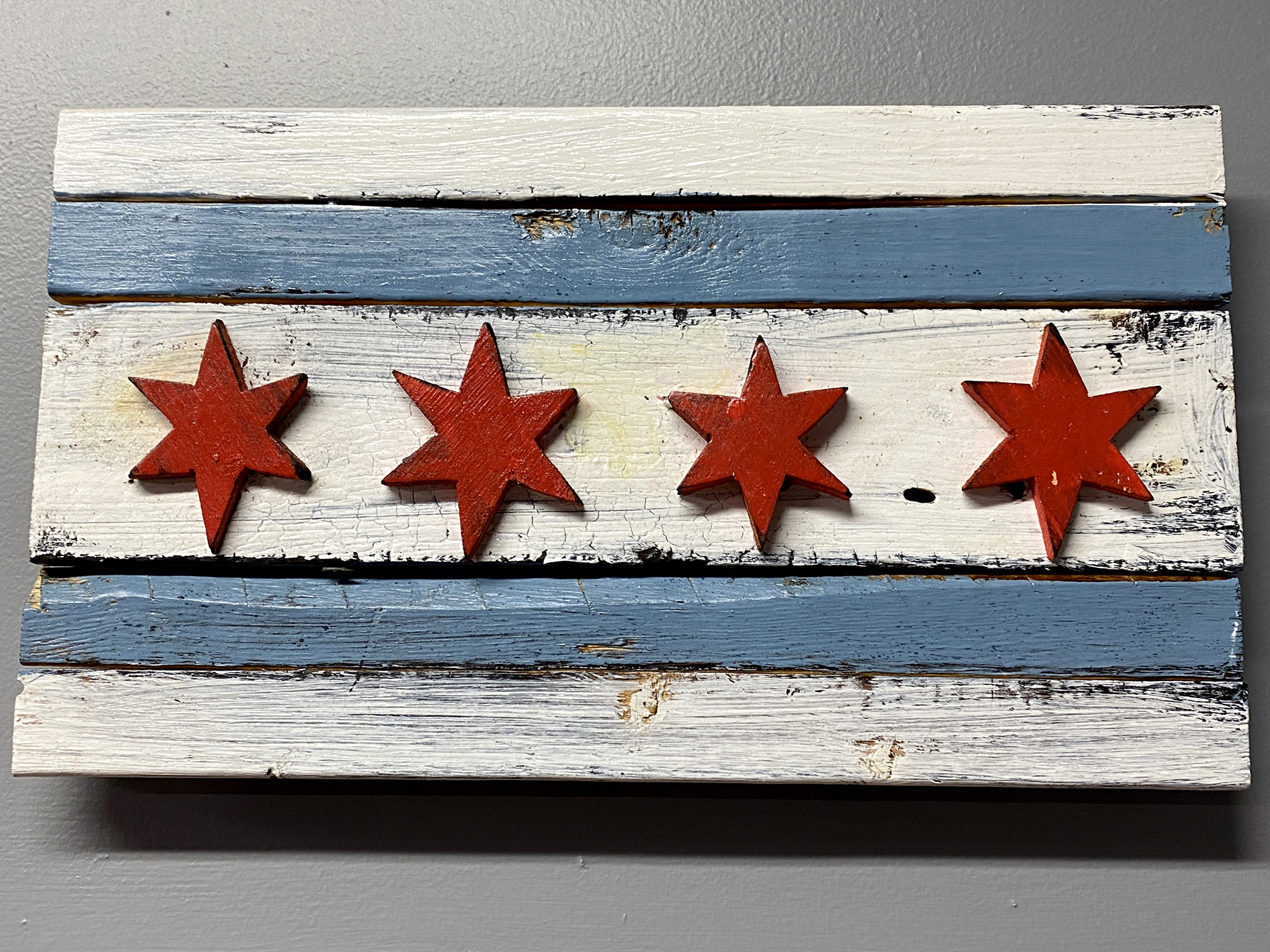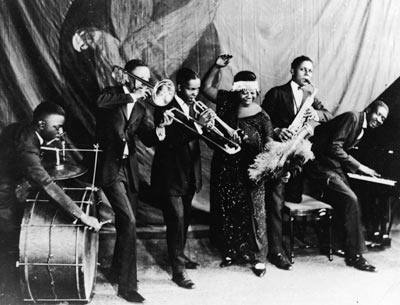
Visitors experiencing blasts of wind off the lake are often surprised to be told that the “windy city” moniker was originally given to Chicago around the 1870’s as a commentary on Chicago’s “windbag” persona. The big city with lake effect weather has always had larger than life personalities that give Chicago its reputation, personality and history. While the moniker attached itself to Chicago well before Prohibition, the Prohibition years were full of Chicago’s largest and most vibrant personalities. Mayor Dever was not one of a particularly windy mayor, but fully engaged with those personalities, often winning by maintaining the moral high ground. He was known nationally as “Decent Dever,” and pledged to enforce Prohibition, even though he personally disagreed with it. He believed strongly that most Chicagoans neither considered themselves, “wet” nor “dry” but something far more moderate.
Despite praising the moderates, Dever’s administration was wrecked by the drama of Prohibition. Just one year into his administration in 1924, it came to his attention that dozens of his political appointees and police officers attended a banquet honoring notorious crime boss Dean O’Banion. Dever requested and received the resignations of all that attended, even though as they claimed it was an “accident,” and they thought a well-liked janitor was to receive the award.
Dever was a passionate man, if not particularly colorful. After a U.S. Senate hearing in April of 1926 where his own District Attorney alleged that he lacked the support of the Chicago Police Department in enforcing Prohibition, Dever jumped on a train bound for D.C, flanked by the Captain of his Police Department to testify in opposition to District Attorney Olson. Dever testified the following day and rebutted Olson’s testimony that the Chicago PD was so entrenched with the gangsters it couldn’t possibly enforce Prohibition, drawing national attention and leading to him being the second most photographed man in America. Ever-photogenic President Coolidge was the first most photographed man in America.
While decency may have played well nationally, his decency was hurting him at home. Former Mayor William Thompson who had accepted $250,000 in campaign contributions during his last run for office picked up on the vulnerability Dever was facing at home and jumped into the race. Dever refused to accept campaign contributions from gangsters, and even in the 1920’s no one is unfamiliar enough with Chicago politics to assume that the former campaign contributions of the notorious elements of society went unspent.
In stark contrast to “Decent Dever,” the Chicago Daily Tribune called Thompson, a man “unencumbered by any sterling convictions about anything.” Nevertheless, Thompson crushed Dever in 1927, making “Decent Dever” the last Democrat to lose a mayoral race in Chicago.
So the last Democrat to lose a mayoral race in Chicago had the nickname, “Decent,” during the turbulent, corrupt 1920’s? The irony of the history is, frankly, too obvious to even try to capture, but I do wonder if the “Windy City” jab would have died with Dever’s reelection? Probably not, there was far too much more history to follow.
Written by Amy Williams